
International Miner
Locomotive Whole of Life Analysis
Whole of Life review provides clarity for cost forecasting and maintenance planning.


QLD, Australia

2025
Challenges & Context
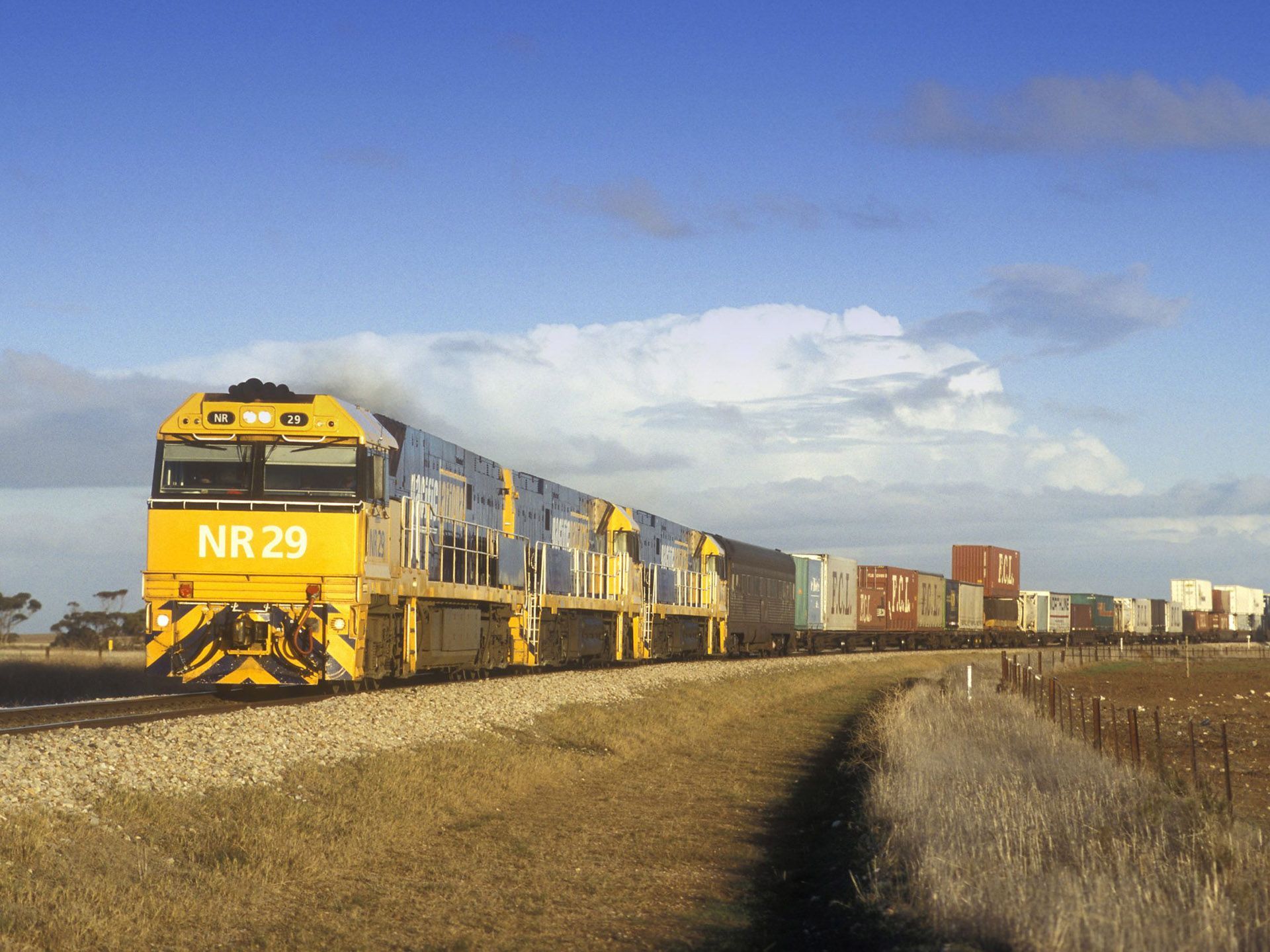
Our clients Queensland operation needed to balance locomotive reliability, performance and maintenance expenditure across the remaining life. With operating requirements of approximately 7,300 hours per year, the review needed to consider both production through to 2030 and a longer-term, cost-conscious approach to supporting mine closure activities through to 2040. Untapped was engaged to review whole-of-life plans and explore major component strategies suited to these changing requirements.
Differences in maintenance regimes and gaps in component information limited the visibility of future expenditure. Major component replacements were split between standalone plans and larger service packages, making costs difficult to isolate and forecast. Alongside different servicing terminology and intervals between locos, it was difficult to compare strategies and establish a consistent planning baseline.
Approach
Untapped reviewed the locomotives’ servicing regimes, available major component information and replacement costs to identify planning gaps and improvement opportunities. We mapped R1005’s component replacement intervals against its maintenance schedule and compared this structure with R1007’s calendar-based servicing regime. The review also drew on reliability findings across key systems, including air conditioning, braking air supply, diesel power units, auxiliary power, wheelsets and bogies, to connect whole-of-life planning with practical maintenance improvements.
We developed a forecasting tool to model major component expenditure through to 2040. The tool allows users to adjust annual operating hours, last component change-out dates and replacement intervals, with separate assumptions for pre-2030 and post-2030 operation. Component-level costs and cumulative expenditure graphs provide a way to explore alternative scenarios and understand their financial implications.
Outcomes
Our client received a clearer view of the gaps affecting locomotive lifecycle planning and a practical tool for exploring future major component expenditure. The forecasting model provides a foundation for comparing replacement scenarios and assessing the implications of changing utilisation and maintenance intervals. Its separation of pre-2030 and post-2030 assumptions supports a deliberate transition from production-focused reliability to cost optimisation during closure support.
The review established an actionable improvement plan: define major component change-outs in the CMMS, standardise servicing terminology and structure, and separate component replacements from service packages where appropriate. It also recommended detailed failure and life analysis, including Weibull modelling, to validate opportunities for extending replacement intervals.
Together, these deliverables provide a stronger foundation for transparent forecasting and evidence-based maintenance decisions, with future savings and reliability benefits dependent on implementation and validation.
Explore More of Our Work
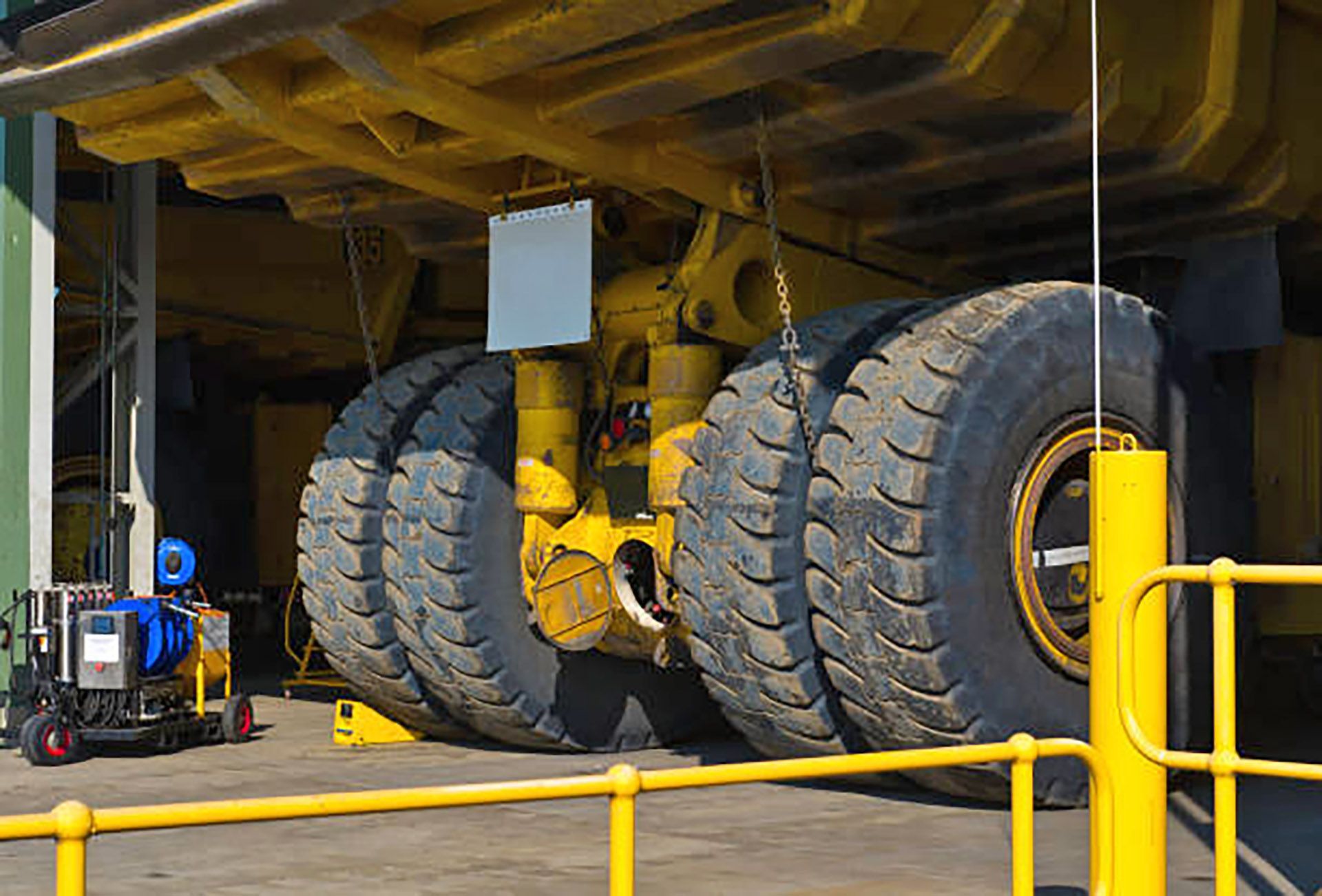
Our client’s Pilbara operations require experienced maintenance planners and schedulers to maintain work readiness and support maintenance execution. Attracting and retaining skilled practitioners, covering leave and vacancies, and responding to changing workloads creates ongoing resource pressures.
Improving predictability, efficiency and cost effectiveness of Scheduled Maintenance activities.
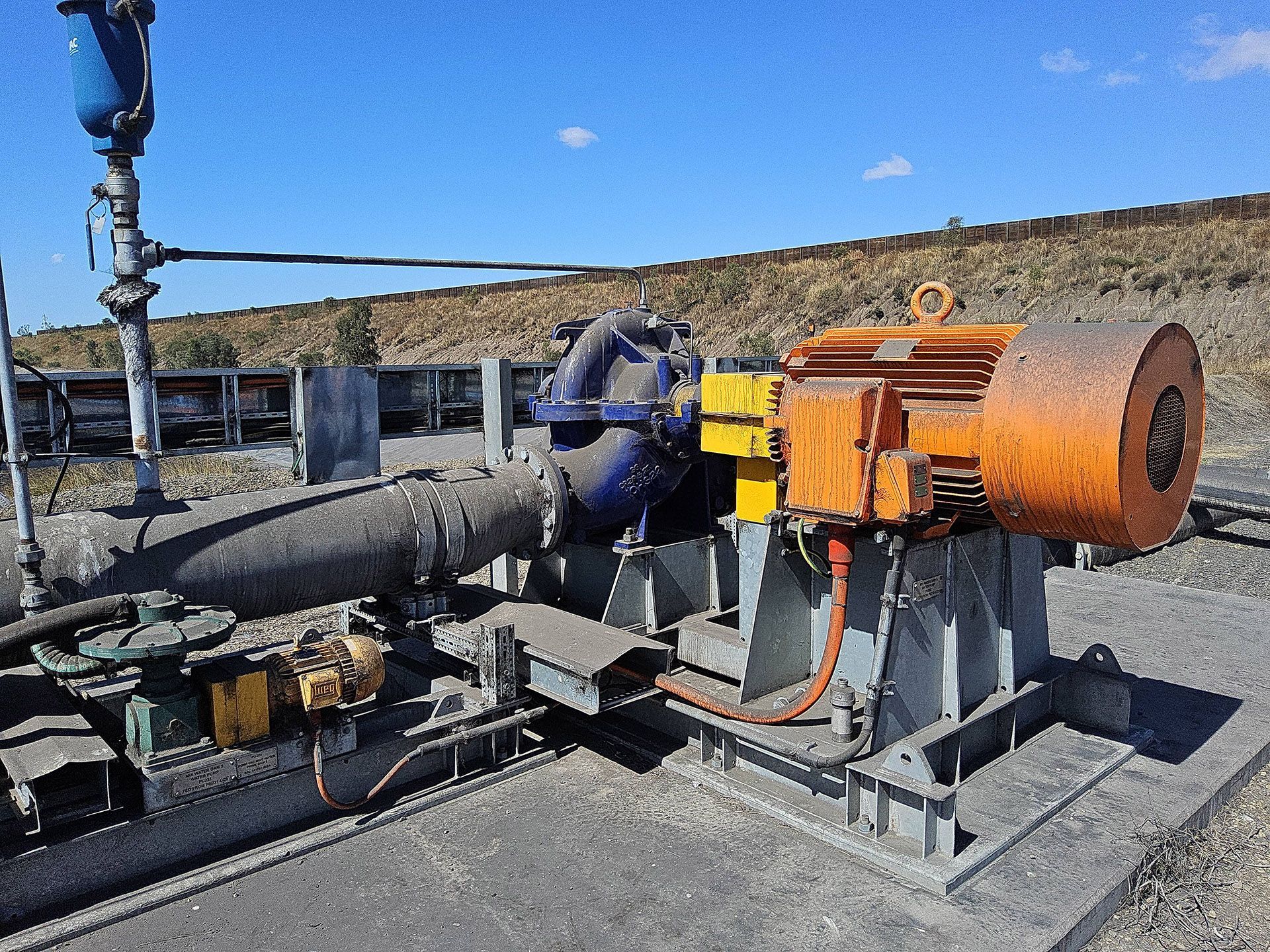
Asset inspections to deliver improved SAP master data, compliance and management of assets.


